44 games and far more than one Olympus
A collection about gods can disappear beneath lightning bolts, golden gates and stern faces on every cover. These 44 Pragmatic Play slots bring Zeus into battles with Hades and Typhon, return Athena in several editions, and make room for Poseidon, Artemis, Midas, Loki, Odin and Thor. Yet a divine name says little about the next spin. Gates of Olympus adds multipliers after tumbles, Zeus vs Typhon pays from both sides, Fortune of Olympus uses clusters, and Triple Pot Plinko – Hercules moves its bonus to a board of falling balls.
The useful guide is not the pantheon but the source of suspense. One game asks for another winning tumble, another for an expanding Wild on the right reel, and a third for a ball to reach an outer Plinko bucket. Megaways changes the number of symbol positions, sticky multipliers gather during free spins, and two-way wins draw attention to both edges of the grid. Seen as several mechanical families, the collection becomes much clearer than a long roll call of mythological characters.
How the gates of Zeus kept changing
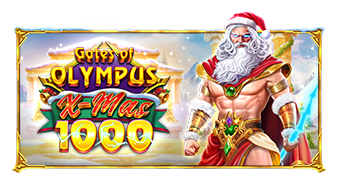
Gates of Olympus established the familiar pattern: matching symbols pay anywhere, winners disappear, and multiplier values are combined when the tumble sequence ends. Gates of Olympus 1000 retains the 6x5 grid but raises individual multipliers to 1,000x. Four Scatters start 15 free spins, where a multiplier on a winning spin joins the running bonus total. Gates of Olympus Xmas 1000 carries this stronger branch into a festive setting; the decorations change, but the reason to choose it remains the 1000-style multiplier structure.
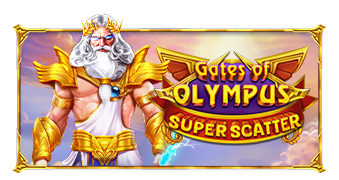
Gates of Olympus Super Scatter keeps multipliers up to 500x and adds an immediate reward while the bonus is being triggered: one, two, three or four Super Scatters award 100x, 500x, 5,000x or 50,000x. Gates of Olympus POP compresses the action to 3x5, pays for 5–9 matching symbols and leaves multipliers up to 1,000x visible through consecutive tumbles. Two Jackpot symbols pay 500x and three pay 25,000x. POP is quicker and smaller; Super Scatter moves the climax to the feature entry; 1000 strengthens the original without replacing its foundation.
When two gods fight across the same grid
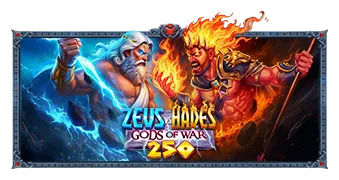
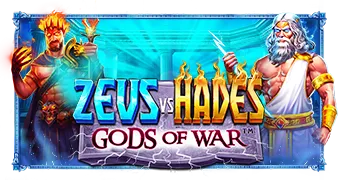
Zeus vs Hades – Gods of War 250 offers two modes on a 5x5 board. Olympus reaches the bonus more often, while Hades makes the feature itself more volatile. A Wild can carry a multiplier up to 250x and expand over its entire reel when a winning combination follows. Scatters on reels one, three and five open ten free spins, where expanded Wilds and their values remain sticky. The original Zeus vs Hades — Gods of War builds on the same confrontation, but the 250 edition makes a single Wild considerably more powerful.
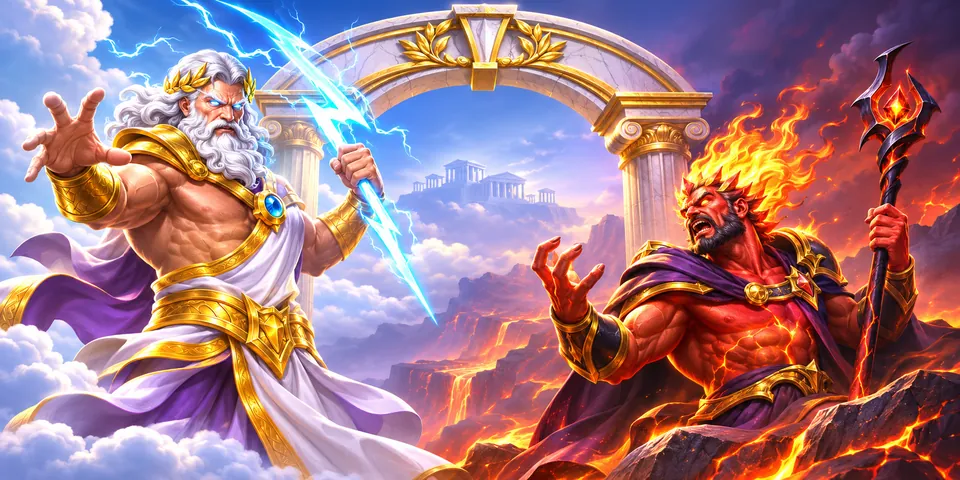
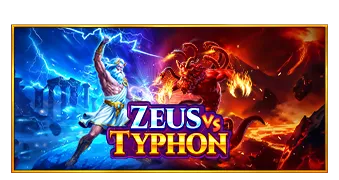
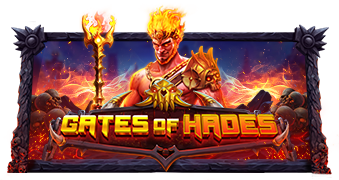
Zeus vs Typhon changes the direction of play. Wins may begin from the left or the right, with a separate 2x–20x multiplier assigned to each edge. When the same spin wins in both directions, the two values multiply each other. Three Bonus symbols award ten free spins and each extra symbol adds five; both side multipliers are guaranteed during the feature. Gates of Hades takes a different route underground: Wild multipliers collect above their respective reels and strengthen later tumbles that win through those positions.
Clusters and Plinko rewrite the bonus
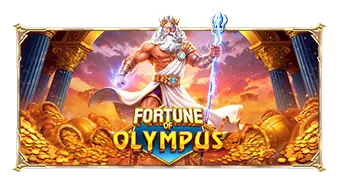
Fortune of Olympus leaves the familiar Gates board for a 7x7 cluster grid. Groups of 5–15 matching symbols tumble, while random multipliers up to 500x combine at the end of the sequence. Four to seven Scatters award between 15 and 30 free spins. Every multiplier in the bonus joins a running total applied to later wins, so an early symbol can change the value of the entire remaining round. The excitement grows across spins, not only inside one cascade.
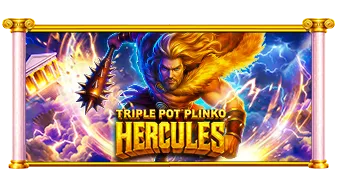
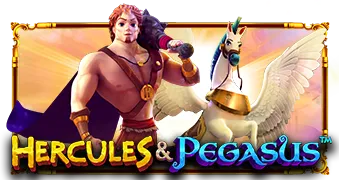
Triple Pot Plinko – Hercules separates its 5x3 base game from a pyramid-shaped bonus. A blue, red or green Scatter can randomly launch Plinko with at least one modifier, and every triggering colour supplies ten balls. Nine buckets carry values up to 30x. Blue adds as many as 20 balls, red gives random balls multipliers up to 100x, and green raises bucket values up to 100x. Olympus Wins, Argonauts and Hercules and Pegasus continue the heroic Greek branch, but Plinko makes the sharpest break from a normal reel bonus.
Athena, the forge and the heroes’ armoury
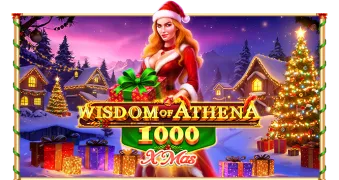
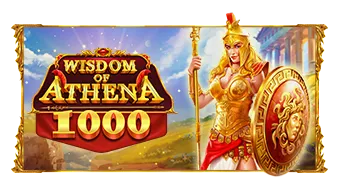
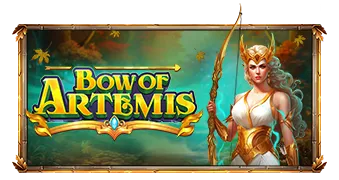
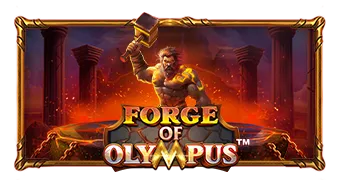
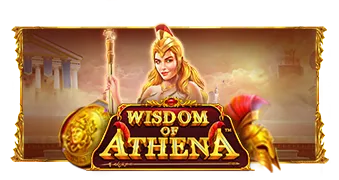
Wisdom of Athena, Wisdom of Athena 1000 and Wisdom of Athena 1000 Xmas form a clear line inside the collection: the first establishes the meeting with the goddess, 1000 raises the numbers, and Xmas changes the season around that stronger edition. Forge of Olympus shifts attention to a divine workshop, where the idea of forging naturally suits gradual enhancement. Bow of Artemis, Shield of Sparta and Sword of Ares split the Greek armoury into separate objects, allowing a player to begin with the weapon rather than the face on the cover.
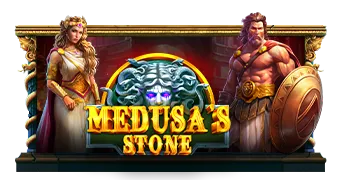
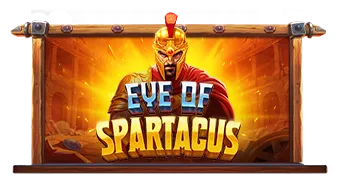
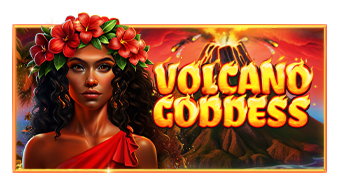
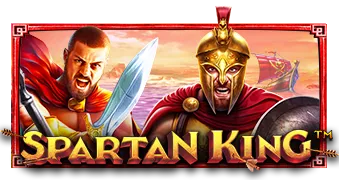
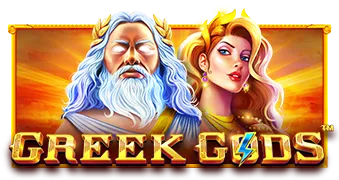
Eye of Spartacus and Spartan King focus on warriors, Greek Gods returns to the wider pantheon, and Queen of Gods places a female ruler at the centre. Volcano Goddess moves towards fire, while Medusa’s Stone uses the threat of the Gorgon. These titles share an era but are not editions of one slot. The grid, pay method and bonus matter more than the spear or shield in the artwork. A mythical object supplies the image; a game earns its personality from what that object actually does once it appears.
Midas, Poseidon and other Greek roads
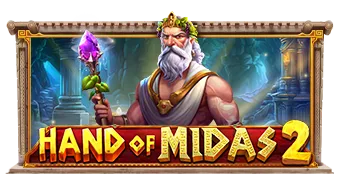
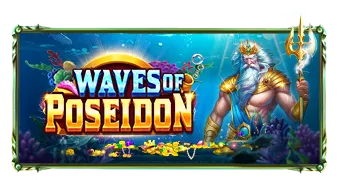
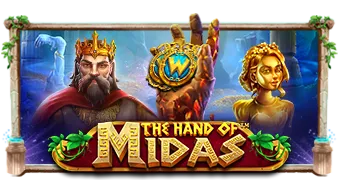
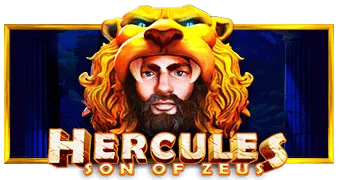
The Hand of Midas and Hand of Midas 2 draw on one of the simplest myths in the collection: a touch turns an object to gold. The sequel should be compared with the original by its changed features, not merely by the brighter logo. Waves of Poseidon swaps lightning for the sea, Bow of Artemis turns to the hunt, Medusa’s Stone to petrification and Argonauts to a voyage. Hercules Son of Zeus and Hercules and Pegasus tell two adventures with the same hero, while Triple Pot Plinko – Hercules makes him the host of an arcade-like bonus.
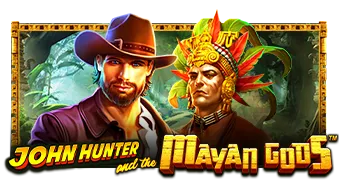
Some games also pull the collection beyond Greece. Gods of Giza connects divine power with Egypt, while John Hunter and the Mayan Gods sends a recurring explorer towards a Mayan pantheon. They belong here not because they orbit Zeus, but because they show other ways to build a slot around supernatural forces and temple exploration. Their presence prevents 44 games from becoming 44 versions of the same thunderbolt and gives the mythological theme a useful change of scenery and pace.
The Norse gods follow their own rules
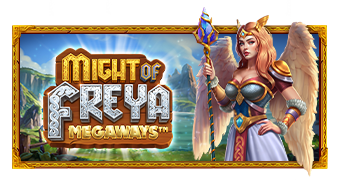
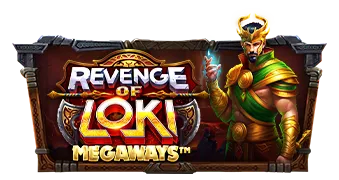
Might of Freya Megaways, Fury of Odin Megaways and Power of Thor Megaways use changing reel sizes and ways to win, so the board is rebuilt on every spin. Revenge of Loki Megaways brings the trickster into the same variable format, while Loki’s Riches tells a separate story that should not be assumed to use identical mechanics. Gates of Valhalla borrows the language of gates for the Norse world without becoming a copy of Gates of Olympus; a shared noun is not evidence of a shared game system.
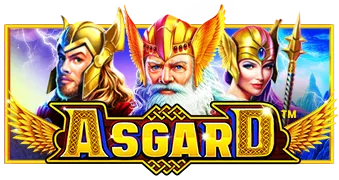
Asgard completes the northern branch with a place rather than a single character. Compared with Freya, Odin, Thor and Loki, the practical questions remain the same: where does the number of ways change, where does a multiplier collect, and what remains between spins? Norse art may look heavier than Olympus, but the emotional rhythm still comes from event frequency, chain length and whether a valuable enhancement stays on the board long enough to influence what happens next.
Where should a tour of the gods begin?
Start with Gates of Olympus for tumbles and added multipliers; Gates of Olympus 1000 raises the possible individual values, Super Scatter adds an instant feature-entry payoff, and POP makes the experience compact. Zeus vs Hades 250 suits a choice between two risk profiles. Zeus vs Typhon is for two-way wins, Fortune of Olympus for clusters and a growing round multiplier, and Triple Pot Plinko – Hercules for a bonus that leaves the reels entirely.
Megaways fans can move towards Freya, Odin, Thor or Loki, while a more traditional Greek adventure lies with Midas, Artemis, Poseidon, Spartacus or Hercules. Forge of Olympus, Wisdom of Athena and Gates of Hades occupy their own middle ground. 44 games become manageable when each answers a specific question: do multipliers combine or remain, does the board grow or reverse direction, and does the bonus continue the reels or move to a new scene? That answer—not the volume of a god’s name—should guide the choice.