Double Mummy’s Jewels 1000
Double Mummy’s Jewels 1000 combines Eye of Ra collectors with three coloured wild routes: Gift cash prizes, Extra wheel pointers and collector-focused Respins, with features able to combine.
Play Demo Play for money

Compare 16 titles in the 1000 series across tumbles, multiplier spots, collecting fishermen, Wilds up to 1,000x and compact respins.
Double Mummy’s Jewels 1000 combines Eye of Ra collectors with three coloured wild routes: Gift cash prizes, Extra wheel pointers and collector-focused Respins, with features able to combine.
Play Demo Play for moneyBig Bass Christmas Blast 1000 combines money-fish collection with a guaranteed bonus fisherman, gift-box triggers and free-spin extensions with a rising multiplier.
Play Demo Play for moneyBig Bass Halloween Splash 1000 features fish values up to 1,000x, pumpkin modifiers, 10–20 free spins and retrigger multipliers up to 10x.
Play Demo Play for moneyBig Bass Vegas 1000 features fish values up to 1,000x, 15–25 free spins, red and blue fisherman collections and retrigger multipliers rising to 10x.
Play Demo Play for moneyFreya 1000 combines shield money symbols, reel nudges, wheel prizes up to 1,000x and standard or Super free spins with different multiplier rules.
Play Demo Play for moneyThe Dog House Megaways 1000 features wild multipliers up to 1,000x that multiply together, a choice of Sticky or Random Wild free spins, and two Super Scatter bonuses that can combine both behaviors.
Play Demo Play for moneyGet ready to embark on a festive encounter with the mighty Greek God, Zeus, in the enchanting world of Gates of Olympus Xmas 1000, a thrilling slot game brought to you by Pragmatic Play. This holiday-themed rendition of the popular original invites players to experience the magic of the season while seeking treasures high atop Mount Olympus.
Play Demo Play for moneyBig Bass Splash 1000 by Pragmatic Play Take to the lake in this fishing-themed sequel where 3–5 scatters trigger 10–20 free spins. A fishing animation before the bonus can unlock up to fiv...
Play Demo Play for moneyWisdom of Athena 1000 Xmas by Pragmatic Play Enter a festive Greek-themed 6×6 arena where Athena presides over a snowy grid. Wins are awarded for landing 8–15+ matching symbols anywhere on...
Play Demo Play for moneyThe world of online slots is always evolving, and Pragmatic Play has outdone itself with the high-powered sequel, Wisdom of Athena 1000. Set against the breathtaking backdrop of Mount Olympus, this game brings the legendary Greek goddess to life, inviting players to experience the thrill of ancient mythology through its engaging gameplay and stunning visuals.
Play Demo Play for moneyStep into a vibrant world of treats with Sweet Bonanza 1000, an exciting slot game from the renowned developer Pragmatic Play. This enchanting 5x5 slot invites players to embark on a delightful journey through a candy-filled wonderland, where colorful fruit icons, including luscious melons and juicy grapes, along with sparkling heart symbols, can pay out anywhere on the screen. Get ready to satisfy your sweet tooth and experience the thrill of the game!
Play Demo Play for moneyGet ready to dive into a sugary wonderland with Sugar Rush 1000, the latest slot offering from Pragmatic Play. This delightful game promises a whirlwind of excitement and winning opportunities, all wrapped up in a vibrant, candy-themed package.
Play Demo Play for moneyPrepare for an electrifying encounter with Zeus in the captivating slot game, Gates of Olympus 1000™ from Pragmatic Play. This visually stunning game transports players to the realm of Greek mythology, where fortune favors the bold. With its innovative gameplay mechanics and the promise of exhilarating wins, Gates of Olympus 1000™ is a must-try for any slot enthusiast.
Play Demo Play for moneyPrepare to journey into the ethereal realms as you dive into the enchanting world of Starlight Princess 1000™, a captivating slot game brought to life by the renowned game developer, Pragmatic Play. This visually stunning game invites players to experience an exhilarating adventure alongside the mesmerizing Starlight Princess herself, all set against a backdrop of vibrant anime-inspired graphics.
Play Demo Play for moneyLucky Tiger 1000 by Pragmatic Play Set against a China-inspired theme, Lucky Tiger 1000 is a 3×3 slot with five paylines and potential wins up to 25,000x. Symbols include fortune cats, gol...
Play Demo Play for moneyBig Bass Bonanza 1000 by Pragmatic Play Plunge into a fishing theme where the angler returns in Big Bass Bonanza 1000. Land 3–5 scatters to trigger 10, 15 or 20 free spins, and when two sc...
Play Demo Play for moneyExplore 31 Pragmatic Play games in the Ancient Egypt Slots collection. Compare versions, features and free demos.
Double Mummy’s Jewels 1000 combines Eye of Ra collectors with three coloured wild routes: Gift cash prizes, Extra wheel pointers and collector-focused Respins, with features able to combine.
Play Demo Play for moneyJewels of Ra pairs synchronised reels with a scarab respin feature. Collect symbols clear accumulated prizes and advance a multiplier ladder, giving its Egyptian treasure hunt a rhythm of gathering, collecting and rebuilding.
Play Demo Play for moneyRa vs Osiris offers two volatility modes, expanding Wild multipliers up to 1,000x, six free spins and walking Wilds that move left through respins.
Play Demo Play for moneyLuxor of Cleopatra awards ten free spins with 2x wilds, a vault starting at 20x, additions up to 12,500x, and key marks across reels 2–4. Marking all 20 positions releases the vault on top of the bonus win.
Play Demo Play for moneyFury of Anubis is a 5×6 tumble slot where 8+ matching symbols pay and the multiplier doubles to 1,024x. Ten free spins start at 8x–64x, can be gambled up to 256x, and retriggers reset spins while raising the start.
Play Demo Play for moneyTut’s Treasure Tower: 96.51% highest/default RTP, up to 5,000x, 3×3–3×7 format. Four or more coins guarantee Lucky Respin Tower, while one to three may trigger it randomly. The feature starts with three respins and a 3×3 area; each new coin locks, resets the counter, and can unlock rows until the tower reaches 3×7.
Play Demo Play for moneyMummy’s Jewels 100 by Pragmatic Play Explore an ancient tomb theme where Eye of Ra mechanics and tomb magic unlock instant cash prizes. Collect and super collect symbols on the first reel ...
Play Demo Play for moneyTreasures of Osiris — Pragmatic Play Join the Egyptian god Osiris in this mythological slot set on a 5×4 grid where ancient Egyptian symbols, wilds, money and jackpot symbols shape the act...
Play Demo Play for moneyCode of Cairo by Pragmatic Play Explore an Ancient Egyptian pyramid in this 3×3 slot where atmospheric symbols and wilds set the scene. Code of Cairo offers two standout mechanics: Respin ...
Play Demo Play for moneyImmerse yourself in a captivating blend of ancient mythology and futuristic design in Pragmatic Play's latest slot release, Rise of Pyramids. This innovative game transports players to a stunning eight-sided gaming field adorned with a plethora of Egyptian gods, each dressed in gleaming armor, serving as the game’s symbols. With a unique cluster payout system and exciting features, this slot promises an exhilarating gaming experience.
Play Demo Play for moneyThe allure of ancient Egypt has long captivated the imagination of many, and Pragmatic Play’s slot game, Heart of Cleopatra, takes players on an enchanting adventure through this rich historical landscape. With its unique 7x7 grid layout and cluster pay mechanics, this game offers an engaging experience that combines stunning visuals with dynamic gameplay. Let’s delve into what makes this slot a must-try for both casual gamers and seasoned players alike.
Play Demo Play for moneyPragmatic Play has once again transported players to the enigmatic world of Ancient Egypt with their latest slot release, Gears of Horus. This captivating game combines the rich lore of Egyptian mythology with an innovative gameplay mechanic that promises both excitement and intrigue. Let’s delve deeper into the unique features that make Gears of Horus a must-try for slot enthusiasts.
Play Demo Play for moneyStep into the mystical world of Ancient Egypt with Nile Fortune™, a captivating slot game developed by Pragmatic Play. This 5-reel, 3-row slot is rich in thematic elements, featuring iconic symbols such as the Eye of Horus and Bastet, all set against the backdrop of the majestic Nile River. With 20 paylines to form winning combinations, players are in for an exciting adventure filled with divine treasures and unexpected surprises.
Play Demo Play for moneyStep into a world of mystery and adventure with Escape the Pyramid – Fire & Ice, an exhilarating slot game from Pragmatic Play that invites players to explore the hidden treasures of Ancient Egypt. With its stunning graphics, engaging gameplay, and multiple features, this slot promises an unforgettable experience as you journey through the sands of time.
Play Demo Play for moneyMummy’s Jewels by Pragmatic Play Embark on an Egyptian-themed adventure in Mummy’s Jewels where the Eye of Ra collect symbol can land on reel one to award adjacent money symbols from reel ...
Play Demo Play for moneyAdventure seekers, get ready! John Hunter, the intrepid archaeologist, is back in action in Pragmatic Play’s thrilling slot, Book of Tut Megaways™. This six-reel slot transports players to the mysterious realms of ancient Egypt, filled with hidden treasures and exciting gameplay mechanics that will keep you on the edge of your seat.
Play Demo Play for moneyPrepare yourself for an exhilarating adventure as you embark on a quest for ancient treasures in the captivating slot game, Diamonds Of Egypt™, brought to you by Pragmatic Play. This visually stunning game transports players to the heart of Ancient Egypt, filled with rich graphics and immersive sound effects that enhance the gaming experience.
Play Demo Play for moneyExploring the Exciting Features of Pragmatic Play's Gods of Giza™ Slot
Play Demo Play for moneyStep into the enchanting world of ancient Egypt with the latest slot release from Pragmatic Play, “John Hunter and the Book of Tut Respin™.” This game offers players a captivating blend of adventure, mystery, and the potential for substantial rewards, all centered around the beloved character of John Hunter.
Play Demo Play for moneyExplore the Mysteries of Ancient Egypt with Pragmatic Play's Fortune of Giza™ Slot
Play Demo Play for moneyStep into the enchanting world of Ancient Egypt with Pragmatic Play's latest slot release, Eye of Cleopatra™. This captivating game invites players to embark on a thrilling adventure where the legendary queen holds the key to unlocking impressive wins. With its striking visuals and engaging gameplay, Eye of Cleopatra™ promises to deliver an unforgettable gaming experience.
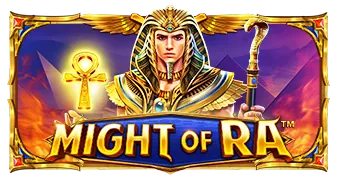
Play Demo Play for moneyStep into the ancient world of Egypt and prepare to pay homage to Ra, the formidable Sun God, who is poised to bestow riches upon those brave enough to take on the sun-scorched reels of the Might of Ra slot by Pragmatic Play. This captivating game transports players to a mystical realm filled with striking visuals, engaging gameplay, and the promise of bountiful rewards.
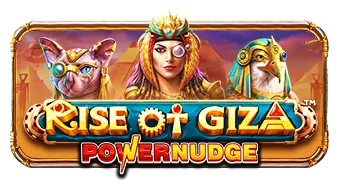
Play Demo Play for moneyIn the expansive world of online gaming, Pragmatic Play has once again showcased its innovative spirit with the release of Rise of Giza PowerNudge™. This video slot takes players on an exhilarating journey through ancient Egypt, blending the mystique of a bygone era with cutting-edge gaming technology. With 10 paylines and captivating features, this slot promises an unforgettable experience for both seasoned players and newcomers alike.
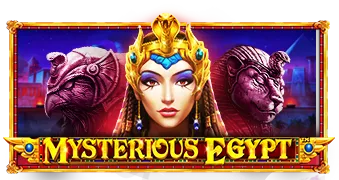
Play Demo Play for moneyPrepare to embark on an exhilarating adventure through the sands of time with Mysterious Egypt™, a captivating video slot developed by Pragmatic Play. This 5-reel, 3-row slot game features 10 paylines and high volatility, inviting players to delve into the enigmatic world of ancient Egypt. As you spin the reels, you have the chance to assist the Egyptians in building one of the greatest empires in history, all while uncovering hidden treasures and secrets.
Play Demo Play for moneyStep into the captivating world of ancient Egypt with Pragmatic Play's exciting slot game, John Hunter and the Book of Tut™. This 3x5 video slot features 10 paylines that invite players to join the adventurous archeologist, John Hunter, on his quest to uncover the secrets of Tutankhamun’s tomb. With stunning graphics, engaging gameplay, and the chance to win big, this game promises an unforgettable experience for both new and seasoned slot enthusiasts.
Play Demo Play for moneyStep into the mystical world of ancient Egypt with Pragmatic Play's captivating video slot, John Hunter and the Tomb of the Scarab Queen™. This thrilling 3x5 slot features 25 paylines and offers players an opportunity to unearth hidden treasures and experience the excitement of a daring adventure.
Play Demo Play for moneyStep into the mystical world of ancient Egypt with Egyptian Fortunes™, an engaging 3x5 video slot developed by Pragmatic Play. This game invites players to embark on an exhilarating journey through the sands of time, as you explore the majestic pyramids in search of hidden treasures and untold riches.
Play Demo Play for moneyEmbark on an exhilarating adventure through the sands of time with Ancient Egypt Classic™, an engaging video slot game developed by Pragmatic Play. This captivating 3x5 slot features 10 paylines and invites players to delve into the mysteries of ancient civilizations, where treasures and surprises await at every spin.
Play Demo Play for moneyStep into the mystical realm of Ancient Egypt™ by Pragmatic Play, a captivating video slot that transports players to the land of pharaohs, pyramids, and untold treasures. This engaging 3x5 slot features 10 paylines, offering numerous opportunities for players to strike it rich while immersing themselves in the allure of one of the oldest civilizations known to man.
Play Demo Play for moneyEgypt, an ancient civilization that has captivated the world for centuries, offers a rich tapestry of history, mythology, and treasure. With its mesmerizing pyramids, enigmatic hieroglyphs, and tales of pharaohs, it’s no wonder that this fascinating era inspires the gaming industry. One of the standout titles that brings this ancient world to life is "Tales of Egypt," a 20-line video slot developed by Pragmatic Play.
Play Demo Play for moneyThree Mummy’s Jewels editions with Eye of Ra collectors and coloured Wilds. Compare where collection starts and what the prize wheel can trigger.
Double Mummy’s Jewels 1000 combines Eye of Ra collectors with three coloured wild routes: Gift cash prizes, Extra wheel pointers and collector-focused Respins, with features able to combine.
Play Demo Play for moneyMummy’s Jewels 100 by Pragmatic Play Explore an ancient tomb theme where Eye of Ra mechanics and tomb magic unlock instant cash prizes. Collect and super collect symbols on the first reel ...
Play Demo Play for moneyMummy’s Jewels by Pragmatic Play Embark on an Egyptian-themed adventure in Mummy’s Jewels where the Eye of Ra collect symbol can land on reel one to award adjacent money symbols from reel ...
Play Demo Play for moneyThe Eye of Ra is the useful starting point in Double Mummy’s Jewels 1000. It explains why a money symbol can be interesting without being a payout on its own: the collector gives that value a way to be paid. Around that relationship, Pragmatic Play builds three coloured wild routes and a bonus wheel that can change the prize, the number of pointers or the time spent collecting. The ancient-treasure theme has a practical structure here, with several different ways for the same collection idea to develop.
During the base game, collect and super collect symbols showing the Eye of Ra can appear on the first reel, the fifth reel or both. Money symbols can carry values of up to 10,000x. The collectors pay adjacent money symbols in either direction. The useful distinction is between having a value on the grid and having the collection condition that turns it into a payout. The number on a money symbol matters in relation to the collector that can reach it.
This gives position a meaningful role. A collector is not described as a screen-wide claim on every visible amount; the rule concerns adjacent money symbols. The first and fifth reels provide identifiable places for the collecting symbols to appear, so the player has a clear relationship to follow. The attraction is the meeting of a useful value and a relevant collector, rather than the mere presence of a large printed number.
Both collector types perform the same basic collection task, but the super version can boost the total payout it collects by up to 1,000x. That is a multiplier on a collected result, while the value printed on a money symbol is a different piece of information. Keeping those roles separate makes the screen easier to understand. A large symbol value, a collection event and a multiplier attached to that event are successive parts of a calculation, rather than interchangeable descriptions of a prize.
The upper figures also describe different things. A money symbol with a value of up to 10,000x is not the same rule as a super collector with a boost of up to 1,000x. Neither figure should simply be called the game's normal payout. Their interest comes from the conditions under which the collecting system uses them. The super symbol makes an otherwise familiar collection event more consequential without turning every money symbol on every spin into an automatic award.
Blue, green and red wild symbols are collected above the grid and can randomly activate their respective features. Each feature begins with a bonus wheel, but the colour determines what kind of development is available. This gives the wheel a more specific role than a generic pause before a prize. It is the meeting point of three routes that change different parts of the experience: the cash award, the number of prize pointers or a sequence of respins.
The random activation is an important qualification. Collecting a coloured wild and being guaranteed its feature are not equivalent statements. The colours explain which route can open, rather than giving the player a fixed schedule for when it will happen. Their value as a design idea is that they make the possible next development recognisable. Once a feature starts, its colour has already supplied a reason for the wheel to mean something different from the previous route.
Blue wilds can activate Gift, which randomly awards cash prizes of up to 1,000x. This is the route centred on a cash award. Green wilds can activate Extra, which adds up to three pointers to the wheel so that multiple cash prizes can be awarded. The difference is between the value of a prize and the number of pointers involved in awarding prizes. Those are distinct ways of changing a wheel result, even though both routes concern cash.
That distinction is useful for understanding the appeal of the coloured system. Extra's added pointers should not be treated as a statement that every individual prize has increased by the same factor. Gift's upper cash value likewise says nothing about a guaranteed outcome on a particular activation. The two routes create different kinds of anticipation: one centres on the award itself, while the other introduces the possibility of multiple cash prizes from the wheel.
Red wilds can activate Respins. After the opening wheel awards the respin sequence, only collect, super collect and money symbols can land. The restricted symbol set gives this feature a clear identity: the basic relationship between money and the symbols that collect it becomes the whole activity. Instead of following the three coloured routes, the player now follows repeated opportunities for those collecting pieces to meet.
During respins, a standard collect symbol applies a random multiplier of up to 10x to the money values it collects. A super collect symbol can boost its collected values by up to 1,000x. The ordinary collector therefore has an explicit multiplier role in this feature, while the super version retains the larger possible boost. The relevant object is still the amount that the symbol collects, not an unrestricted multiplication of every number displayed anywhere on the grid.
Two or three features can activate together. Landing two or three coloured wilds on the same spin can lead to such a combined event, with combinations boosting potential cash prizes or increasing the awarded respins. This gives the colour system another layer: a route can matter both on its own and through its relationship with another route. The possibility is more varied than three completely isolated bonuses, but it does not mean that every multi-colour spin must trigger the full combination.
The Eye of Ra and the ancient-jewel framing give the collection game its Egyptian identity. More importantly, the symbols have distinct jobs within that setting. Eyes collect, money supplies values, colours identify routes and the wheel introduces the next type of event. This variety requires more attention to which rule is active. A player seeking a single straightforward bonus may find the transitions between prize values, pointers and respins more involved than they want.
Double Mummy’s Jewels 1000 works best for someone who enjoys a collection mechanic being developed in several directions. The strongest distinction is not just between small and large numbers. It is between collecting an amount, changing a wheel's opportunities and entering a feature built entirely around collectors. Those differences give the game a readable character, provided the player keeps each effect attached to its own condition. The interest lies in how the next event uses the pieces already understood, while its actual result remains uncertain.
Mummy’s Jewels 100 by Pragmatic Play Explore an ancient tomb theme where Eye of Ra mechanics and tomb magic unlock instant cash prizes. Collect and super collect symbols on the first reel ...
Play Demo Play for moneyMummy’s Jewels by Pragmatic Play Embark on an Egyptian-themed adventure in Mummy’s Jewels where the Eye of Ra collect symbol can land on reel one to award adjacent money symbols from reel ...
Play Demo Play for moneyPragmatic Play — Super Gummy Strike Slot Overview Super Gummy Strike brings a candy-themed arcade to a 3×3 grid where tasty treats and money symbols can land for big potential payouts. Mon...
Play Demo Play for moneySuper Serge is a 5×4 slot from Pragmatic Play where electricity runs through the reels and the action centers on collecting value from special symbols. In this game, collect symbols can appear on reel...
Play Demo Play for moneyLucky Fortune Tree — Pragmatic Play Lucky Fortune Tree invites players on a tranquil nature stroll where money symbols appear on reels 1 and 2 and can carry values up to 1...
Play Demo Play for moneyFreya 1000 combines shield money symbols, reel nudges, wheel prizes up to 1,000x and standard or Super free spins with different multiplier rules.
Play Demo Play for moneyCaptain Kraken Megaways by Pragmatic Play Set sail in a nautical adventure with Captain Kraken Megaways, a 6×7 Megaways slot offering up to 200,704 ways to win. The sea-themed game feature...
Play Demo Play for moneySuper Tiki Strike by Pragmatic Play Journey to a tropical island in Super Tiki Strike, a classic 3×3, five-payline slot from Pragmatic Play. Match three symbols for instant prizes up to 2,...
Play Demo Play for moneyGold Party 2 – After Hours by Pragmatic Play Gold Party 2 – After Hours returns to the Irish festivities theme with lively visuals and stacked mechanics. In the base game wilds can land on...
Play Demo Play for moneyExploring the Thrills of Money Stacks Megaways™ by Pragmatic Play
Play Demo Play for moneyGates of Olympus 2500 uses a 6×5 pays-anywhere tumble grid, multiplier symbols up to 2,500x and four wheel-selected free-spin modes with running multiplier totals.
Play Demo Play for moneyGates of Olympus Super Scatter by Pragmatic Play Zeus returns in this special edition set in the Ancient World (Ancient World). Gates of Olympus Super Scatter uses a tumbling grid where matc...
Play Demo Play for moneySugar Megarush combines variable reel heights with cluster wins, marked positions and growing multipliers. Free spins preserve that progress, while Treble Free Spins replace doubling with tripling.
Play Demo Play for moneySweet Bonanza 2500: 96.52% highest/default RTP, up to 25,000x, 6×5 format. Eight or more matching sweets pay anywhere on the 6×5 grid and winning symbols tumble away. Four lollipop scatters award ten free spins, where candy bombs can show multipliers up to 2,500x and stay visible until the current tumble sequence…
Play Demo Play for moneyGet ready to dive into a sugary wonderland with Sugar Rush 1000, the latest slot offering from Pragmatic Play. This delightful game promises a whirlwind of excitement and winning opportunities, all wrapped up in a vibrant, candy-themed package.
Play Demo Play for moneyPrepare for an electrifying encounter with Zeus in the captivating slot game, Gates of Olympus 1000™ from Pragmatic Play. This visually stunning game transports players to the realm of Greek mythology, where fortune favors the bold. With its innovative gameplay mechanics and the promise of exhilarating wins, Gates of Olympus 1000™ is a must-try for any slot enthusiast.
Play Demo Play for moneyXmas Guardians Megaways adds a wild after each tumble. In free spins, winning multiplier wilds build a total that boosts later wild-assisted wins, with a super version giving every wild a multiplier.
Play Demo Play for moneyStep into a vibrant world of treats with Sweet Bonanza 1000, an exciting slot game from the renowned developer Pragmatic Play. This enchanting 5x5 slot invites players to embark on a delightful journey through a candy-filled wonderland, where colorful fruit icons, including luscious melons and juicy grapes, along with sparkling heart symbols, can pay out anywhere on the screen. Get ready to satisfy your sweet tooth and experience the thrill of the game!
Play Demo Play for moneyBig Bass Christmas Blast 1000 combines money-fish collection with a guaranteed bonus fisherman, gift-box triggers and free-spin extensions with a rising multiplier.
Play Demo Play for moneySweet Bonanza POP uses a 3×5 anywhere-pay grid, tumbling wins, three instant POP jackpots and free-spin candy-bomb multipliers up to 1,000x.
Play Demo Play for money